Getting into tarot can seem a bit overwhelming at first, but it’s really just about connecting with yourself and your intuition. At its core, tarot is a tool that helps you dive into your thoughts and feelings, guiding you in a way that feels natural and personal.
There are 78 cards in a typical tarot deck, divided into two main parts: the Major Arcana and the Minor Arcana. The Major Arcana cards, like The Fool or The Lovers, represent significant life events and themes. Meanwhile, the Minor Arcana cards deal with day-to-day situations and feelings. Think of these as the nitty-gritty of your daily life.
When you shuffle and draw cards, you’re opening a line of communication with your inner self. You don’t have to memorize every single card and its meaning straightaway. Just focus on getting familiar with the imagery and themes. Over time, you’ll find that the cards start to speak to you in your own way. Trust that you’ll build a deeper understanding as you go.
A common layout for beginners is the three-card spread, which represents the past, present, and future. It’s a simple way to start reading. You just need to ask a question, shuffle your deck, and draw three cards. Each card will give you insight related to your question, creating a little narrative that helps you see things from a fresh perspective.
So, grab a deck that resonates with you and start playing with it! No rush—just enjoy the journey of getting to know the cards and yourself. Mastering tarot really is all about practice and intuition, so have fun with it!
Choosing the Right Tarot Deck
First off, consider the artwork. Each deck has its unique vibe. Some are colorful and whimsical, while others lean towards dark and mysterious. Take a little time to browse different decks online or at your local shop. Find one that speaks to you. The more connected you feel to the images, the easier it’ll be to interpret the cards.
Next up, think about the size and layout of the deck. Standard tarot decks have 78 cards, but there are also smaller or themed decks out there. If you’re planning to take your deck on the go, a compact version might work better. Also, check if the card meanings resonate with you. Some decks come with guidebooks that explain the cards in depth, which is super helpful if you’re just starting.
Lastly, don’t forget to trust your intuition! If a deck catches your eye or your gut says it’s the one, go for it. Tarot is all about your relationship with the cards. The right deck should feel comfortable and inviting. So take your time, enjoy the process, and find a deck that feels just right for you!
Easy Tarot Spreads for Beginners
Starting out with tarot can feel a little overwhelming, but using simple spreads can make learning fun and manageable. Easy tarot spreads help you gather insights without diving into complicated techniques right away. Let’s explore some beginner-friendly spreads that are perfect for those just starting their tarot journey.
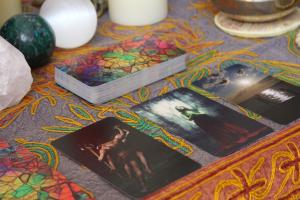
One of the simplest spreads is the Three Card Spread. Just grab your deck, shuffle, and lay out three cards in a row. You can assign each card a specific meaning, such as past, present, and future. This gives you a clear timeline of your situation, and it's great for daily readings or quick insights.
Another favorite is the One Card Draw. This is exactly what it sounds like! Just pull one card and reflect on its meaning. This is a low-pressure way to start connecting with your cards. It’s perfect for days when you need a little guidance but don’t have time for a full reading.
If you want something a bit deeper, try the Five Card Horseshoe Spread. This one gives you more details about your situation. The layout covers your past influences, present circumstances, and future possibilities, plus advice and potential outcomes. It's a great way to get a fuller picture without getting too complex.
Finally, don’t forget to trust your intuition. As you get used to these spreads, you'll discover your personal connections to the cards. Let your feelings guide you; tarot is all about your own insights and interpretations. Happy reading!
Tips for Intuitive Card Interpretation
Getting comfortable with interpreting Tarot cards can feel daunting at first, but it’s all about trusting your instincts. Here are some friendly tips to help you get started:
First off, spend time with your deck. Shuffle the cards, lay them out, and just see what jumps out at you. Each card holds its own energy, and the more you connect with them, the better your readings will be. Try to remember the feelings or thoughts that come up as you handle your cards. Doing this regularly builds your intuition.
When you pull a card, don’t rush to the guidebook right away. Look at the imagery and colors. What emotions do they stir in you? What stories do they tell? Make your interpretation a personal experience. You might find that your own insights in the moment can hold just as much weight as the book's meanings.
Try keeping a Tarot journal. Jot down your daily pulls and write about what they mean to you. Over time, you’ll notice patterns and themes, which can help you make deeper connections with your cards. Seeing your journey in writing can boost your confidence and sharpen your abilities.
Finally, remember that there’s no right or wrong way to read Tarot. Every reader develops their unique approach. Trust yourself, ask open-ended questions, and let the cards guide you. You’ve got this! Enjoy the journey of discovery with each draw.