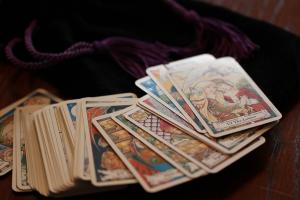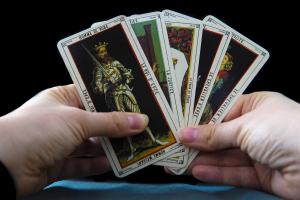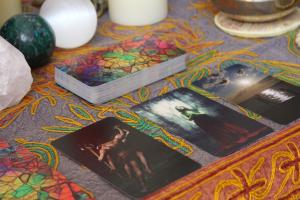
Tarot cards have a really interesting backstory that dates back to the 15th century. They started out as simple playing cards in Europe, particularly in Italy. People played card games using them, with no spiritual or mystical meanings attached. It wasn’t until the late 18th century that folks began to see Tarot as more than just a fun way to pass the time.
The shift really happened when Tarot caught the attention of mystics and occult enthusiasts. They started to assign meanings to the cards, connecting them to astrology, alchemy, and spirituality. This change took Tarot from the gaming table to the divination world. It became a tool to gain insights into life’s mysteries and connect with one's inner self.
As Tarot's popularity grew, decks evolved in artistic style and symbolism. The Rider-Waite-Smith deck, created in 1909, became one of the most famous and widely used decks. Its imagery is rich and accessible, making it easier for newbies to pick up. This deck set the standard for many others that followed, inspiring countless versions you can find today.
Today, Tarot cards are loved by many for their ability to spark self-reflection and personal growth. Whether you’re just having fun or diving deep into spiritual exploration, these cards have something to offer everyone. They connect people to their intuition and encourage them to look at their lives from a different angle.
Early Uses in Divination
Tarot cards have a rich and intriguing history that dates back to the late 14th century. Early on, they weren't the mystical tools we think of today. Instead, they started as a card game popular among the Italian nobility. People would gather for leisurely games, and the cards featured beautiful artwork.
It wasn’t until the 18th century that tarot cards began to be associated with divination. Some folks believed these cards held secrets about the future and could reveal insights about one’s life. The cards were thought to tap into deep intuition, leading to the birth of tarot reading as a practice.
The early tarot decks used symbols and imagery that hinted at deep meanings. Each card was like a little story, waiting to be interpreted. Readers would shuffle the cards, lay them out, and then decipher their meanings based on the positions and combinations. This brought a whole new layer to the tarot experience.
One of the most famous decks, the Tarot de Marseille, became popular during this time. Its straightforward and bold designs made it accessible for many. As people shared interpretations, the practice of tarot reading grew, attracting curious minds eager for guidance.
The Rise of Tarot in Europe
Tarot cards really started to catch on in Europe during the 15th century. People were drawn to them not just for playing games, but also for the mysterious art of divination. It was a time when folks were exploring new ideas, and the Tarot seemed to fit right in with that curiosity.
In Italy, the Tarot deck evolved, moving from simple playing cards to something packed with symbolism and meaning. Artists began designing beautiful cards, giving each one a rich story to tell. You could find decks filled with vibrant imagery and personal touches, making them a must-have for anyone interested in the mystical.
As the popularity of Tarot spread, it became more than just a game. By the 18th century, people all over Europe were using Tarot for fortune-telling and spiritual insight. This sparked even more interest. Writers, artists, and philosophers started diving into the symbolism behind the cards, turning Tarot into a serious topic of study.
Eventually, Tarot found its way into the hands of seekers across the continent. Different cultures added their own unique flair to the decks, leading to a wonderful variety of styles. This blending of ideas helped Tarot flourish, making it a fascinating tool for reflection and discovery.
Modern Tarot and Its Popularity
Modern tarot has become super popular, and you can find it in all kinds of settings—coffee shops, online forums, and even pop-up events. People are drawn to it for many reasons. Some feel a connection with the mystical, while others just enjoy the art and imagery. Tarot cards today often look stunning, with vibrant designs that appeal to the eye and spark the imagination.
Instagram is buzzing with tarot readings, and you'll see tons of people sharing their spreads and insights. This visual element makes tarot feel more accessible. You don’t need to be a pro; just grab a deck that resonates with you and go for it! You can learn at your own pace, and there’s a big community full of folks ready to support each other.
Another big factor in tarot's rise is its role in self-discovery and personal growth. Many users find that a simple card pull can guide their thoughts or help clarify what they’re feeling. It's like giving yourself a little pep talk or a boost of motivation! Whether you're using tarot for fun or diving deep into its messages, the cards can become a fantastic tool for reflection.
Plus, let's not forget about the variety of tarot decks out there. There are classic decks, themed decks, and everything in between. Whether you love traditional artwork or modern takes on the cards, you're bound to find something that captures your unique vibe. This selection makes tarot feel personal and special, inviting newcomers to explore and find what resonates with them.